
Top Video Editing Techniques for Cinematic-Quality Productions


Cinematic-quality productions are no longer exclusive to big studios. With the right video editing techniques, anyone can achieve a professional look. Whether you're an aspiring filmmaker or a seasoned videographer, mastering these techniques will elevate your work.
Storytelling Through Editing
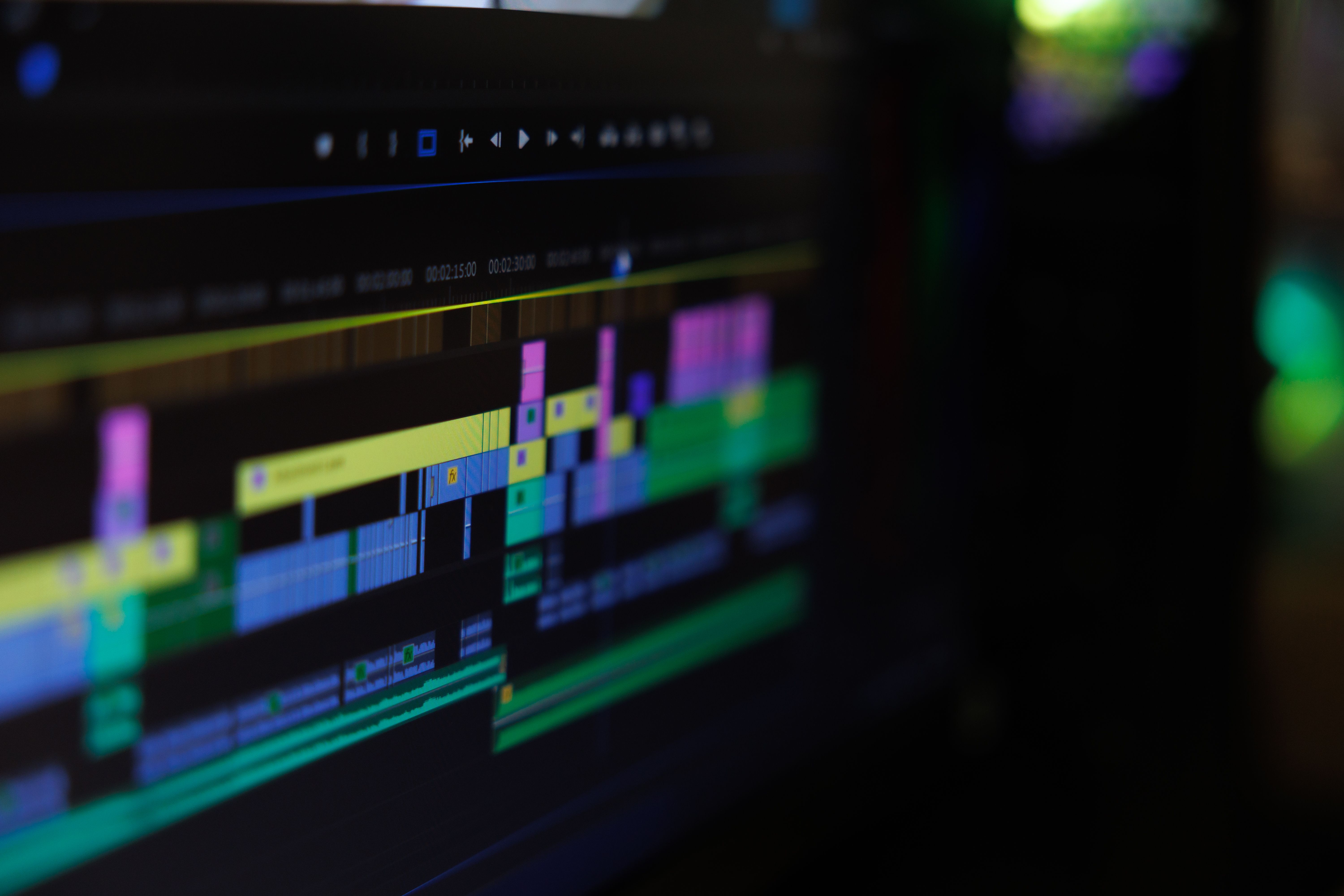
The heart of any cinematic production is its story. Editing is not just about cutting scenes but weaving a narrative. Consider the pacing of your cuts to maintain the flow and emotional impact. A well-paced edit keeps the audience engaged and enhances the storyline.
Utilize montage sequences to compress time and convey a lot of information quickly. These sequences can be powerful in showing character development or the passage of time without losing the viewer's interest.
Color Grading for Mood and Atmosphere
Color grading is a technique that can drastically change the tone of a film. By adjusting the colors, you can convey different moods and atmospheres. For example, warmer tones can evoke feelings of nostalgia or romance, while cooler tones might be used to create tension or unease.
Invest in a good color grading tool and experiment with different palettes. Consistency is key, so aim to maintain a uniform look throughout your film to ensure it feels cohesive.
Mastering Transitions
Transitions are crucial in maintaining the flow of your film. While traditional cuts are often the most effective, experimenting with different transitions can add a unique flair to your work. However, it's essential to use them sparingly to avoid distracting from the story.
Some popular transitions include fade ins and fade outs, which can signify a change in time or location, and cross dissolves, which can smoothly blend scenes together.
Sound Design and Music
Audio is as important as visuals in achieving a cinematic feel. Effective sound design can enhance the viewing experience by adding depth and realism. Pay attention to ambient sounds, dialogue clarity, and the balance between music and effects.
Choose music that complements your film's mood and pacing. A well-curated soundtrack can evoke emotions and accentuate key moments in your production.
Utilizing Visual Effects
Visual effects (VFX) can transform ordinary footage into something extraordinary. Whether it's adding subtle enhancements or creating full-blown CGI scenes, VFX can bring your creative vision to life. However, it's crucial to ensure that these effects serve the story and don't overwhelm it.
Start with simple effects like adding lens flares or adjusting lighting and gradually explore more complex techniques as your skills grow.

By incorporating these top video editing techniques into your workflow, you can produce cinematic-quality productions that captivate and engage your audience. Remember, the key to successful editing is to enhance the story, not overshadow it. Practice regularly, experiment with different styles, and most importantly, enjoy the creative process.