
The Art of Professional Video Editing: Transforming Raw Footage into Cinematic Masterpieces


In the world of filmmaking and video production, the true magic happens in the editing room. Professional video editing is an art form that transforms raw footage into compelling cinematic masterpieces. This process requires a blend of technical skills and creative vision, allowing editors to shape narratives, evoke emotions, and captivate audiences.
The Importance of Storytelling
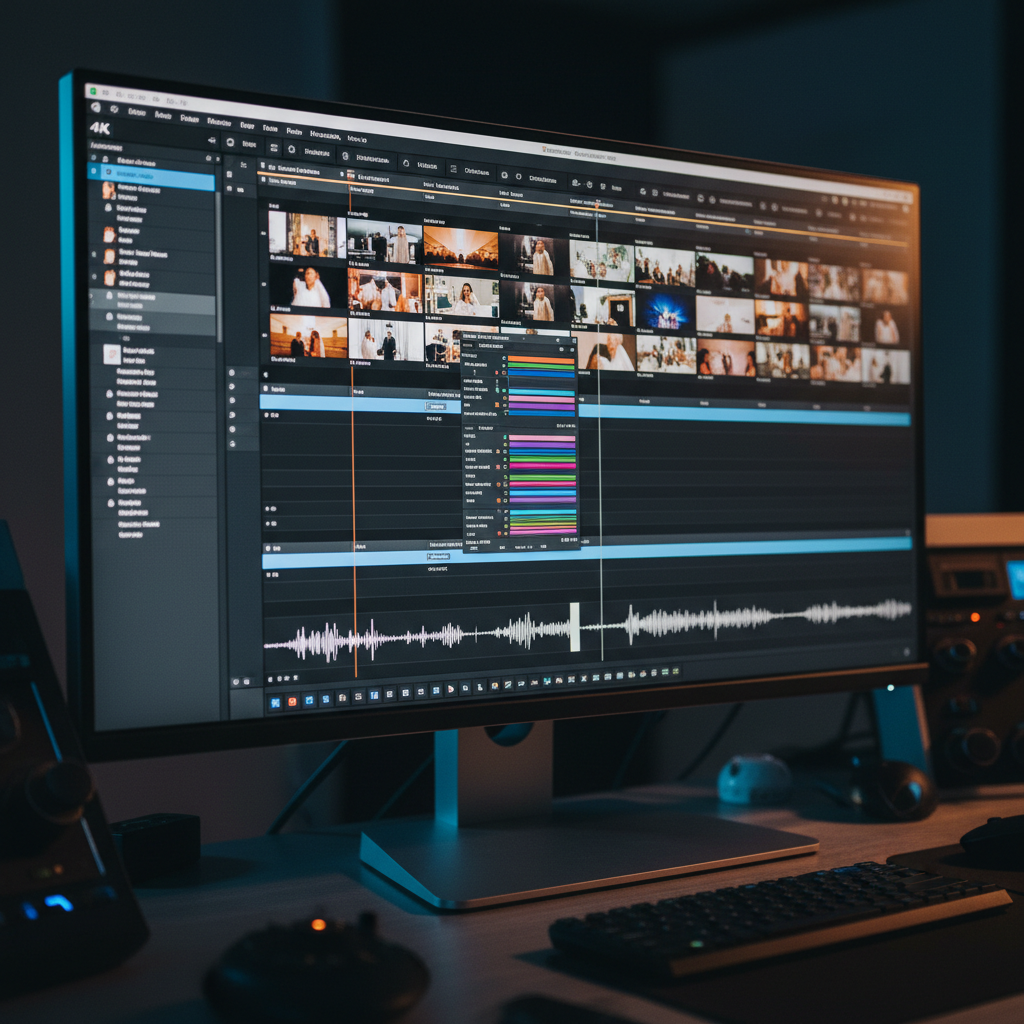
At the heart of every great video lies a powerful story. Effective video editing involves weaving together visual and audio elements to tell a cohesive and engaging narrative. Editors must understand the flow of the story and use their skills to enhance its impact. This often involves cutting unnecessary scenes, rearranging sequences, and ensuring a seamless transition between shots.
Storytelling in video editing is more than just piecing clips together. It's about creating a rhythm and pace that aligns with the intended mood and message. By controlling the timing and progression, editors can build tension, highlight key moments, and drive the story forward.
Mastering the Technical Aspects
While creativity is essential, mastering the technical aspects of video editing is equally important. Editors must be proficient in using advanced editing software, understanding codecs, and working with various formats. Familiarity with tools like Adobe Premiere Pro, Final Cut Pro, or DaVinci Resolve is crucial for delivering professional-quality results.
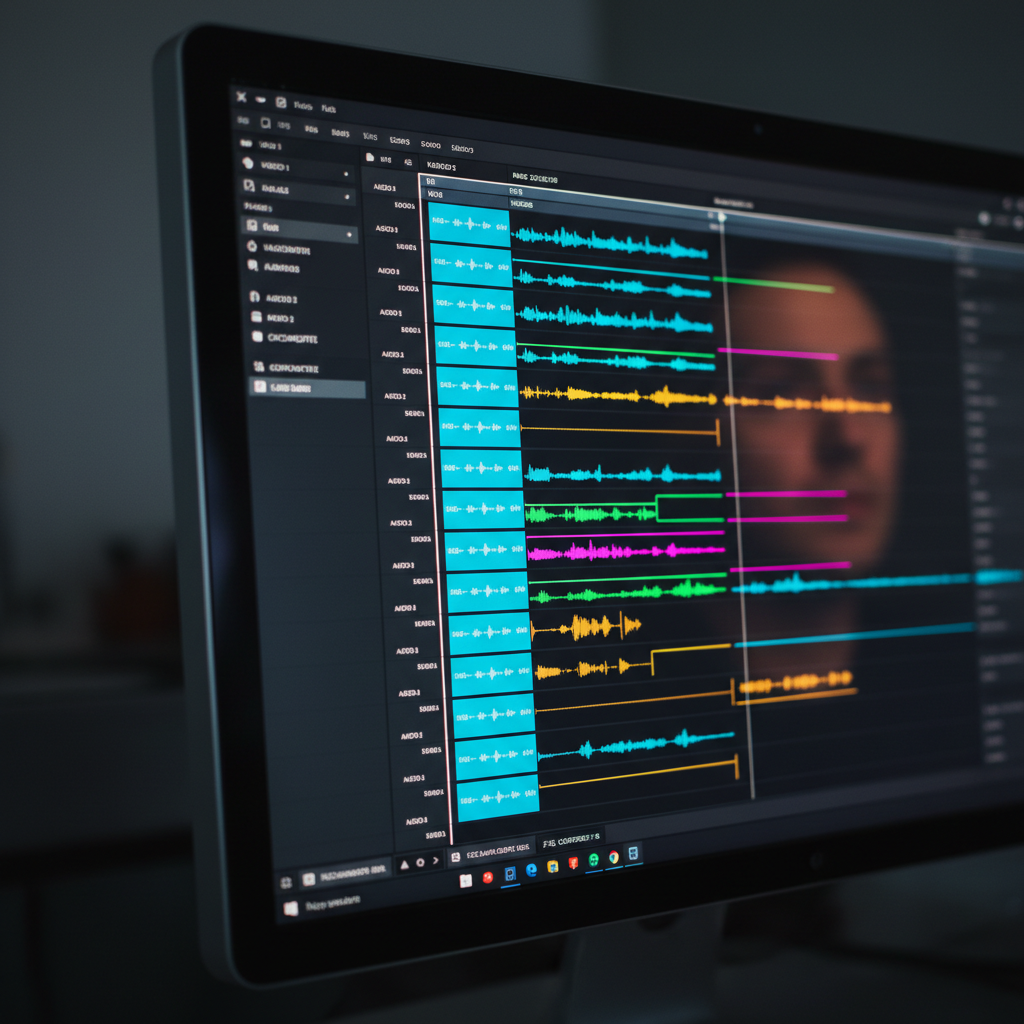
Technical skills also extend to color correction and grading, where editors adjust colors to enhance the visual appeal and mood of the footage. This process can dramatically alter the look and feel of a video, turning a mundane scene into a visually stunning experience.
The Role of Sound Design
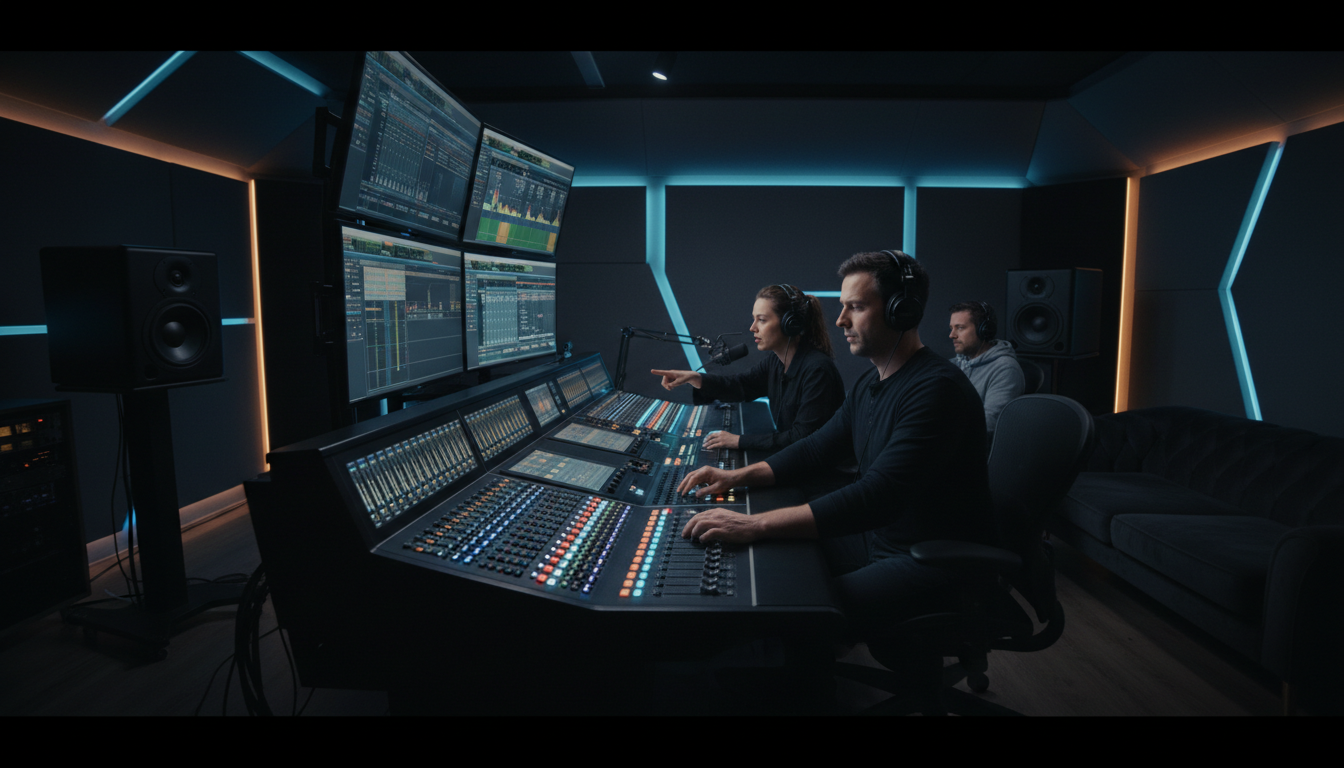
Sound is a vital component of video editing that often goes unnoticed. Good sound design can elevate a video, making it more immersive and engaging. Editors must carefully select and synchronize audio elements, including dialogue, music, and sound effects, to complement the visual narrative.
Sound editing involves balancing audio levels, removing background noise, and adding effects to enhance the storytelling. Music selection is particularly crucial, as it can evoke emotions and set the tone for the entire piece.
Creative Techniques and Transitions
Professional video editors utilize various creative techniques to enhance the visual storytelling. This includes using transitions, effects, and motion graphics to add depth and interest. Transitions such as fades, wipes, and cuts are used to guide the viewer's attention and maintain the flow of the story.
Additionally, effects like slow motion, time-lapse, and split screens can add a unique flair to the video, making it more dynamic and captivating. These techniques, when used judiciously, can transform ordinary footage into a cinematic masterpiece.
The Final Touch: Exporting and Delivery
Once the editing process is complete, the final step is exporting and delivering the video in the desired format. This involves choosing the right resolution, aspect ratio, and compression settings to ensure optimal quality across various platforms and devices.
Editors must also consider the target audience and the platform where the video will be published, as each has its own requirements and limitations. By paying attention to these details, editors can ensure that their work looks stunning whether viewed on a big screen or a smartphone.
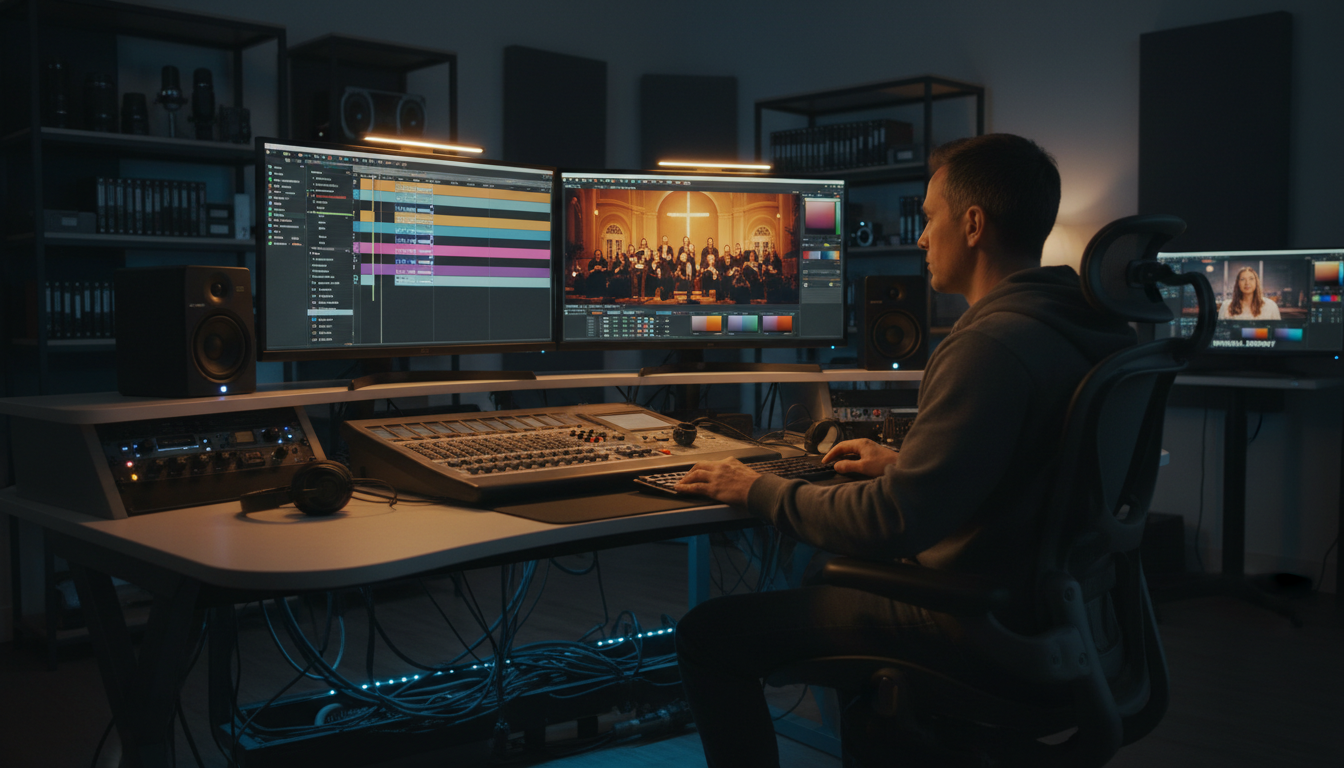
In conclusion, professional video editing is a meticulous and creative process that brings stories to life. By mastering both the technical and artistic aspects, editors can transform raw footage into cinematic masterpieces that resonate with audiences worldwide.