
Creating Cinematic-Quality Videos: Tips from Industry Experts


In today's digital landscape, creating cinematic-quality videos is more accessible than ever. From blockbuster films to viral YouTube content, the allure of high-quality visuals is undeniable. To help you elevate your video production skills, we've gathered insights from industry experts on how to achieve that coveted cinematic look.
Understanding the Basics
The foundation of any great video lies in its basic elements: lighting, sound, and composition. Ensuring these are well-executed can dramatically improve the quality of your production. Start by investing in good lighting equipment, as proper illumination can make a significant difference. A well-lit scene enhances the mood and brings out details that might otherwise be lost.
Additionally, sound quality can make or break a video. Even with stunning visuals, poor audio can distract and disengage your audience. Consider using external microphones for cleaner sound capture.

Embrace the Power of Composition
Composition is key when aiming for a cinematic feel. Pay attention to framing and the rule of thirds, which involves dividing your frame into nine sections and placing points of interest along these lines. This technique helps create balanced and engaging visuals.
Furthermore, experimenting with different angles and perspectives can add depth and intrigue to your shots. Don't be afraid to break traditional rules if it serves the story you are trying to tell.
Mastering Camera Movement
Smooth camera movement is another hallmark of cinematic videos. Tools like gimbals and sliders can help achieve this effect by providing stable shots with minimal shake. Practicing techniques such as panning, tilting, and tracking can also add dynamic motion to your footage.

In some cases, handheld shots can also be used creatively to convey emotion or urgency, but they should be employed thoughtfully to avoid disorienting the viewer.
Post-Production Magic
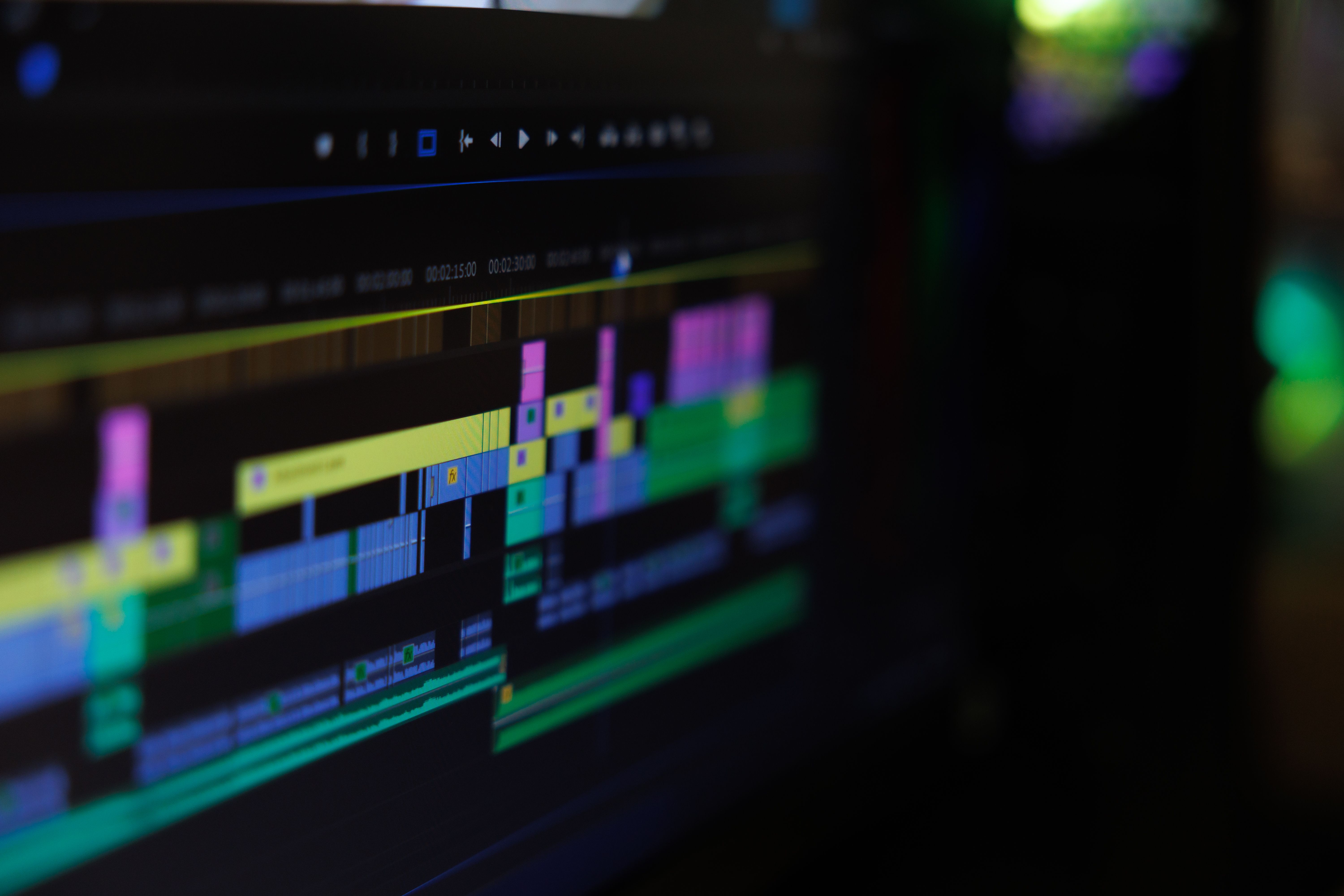
The editing process is where you can truly bring your vision to life. Software like Adobe Premiere Pro or Final Cut Pro offers advanced features for color grading, transitions, and visual effects. Color grading, in particular, is essential for creating a specific mood or atmosphere in your video.
Using LUTs (Look-Up Tables) can simplify this process by applying preset color profiles to your footage. This step can give your video a cohesive and polished look.
Sound Design and Scoring
No cinematic video is complete without a compelling soundtrack. Sound design and scoring enhance the emotion and pace of your story. Utilize music libraries or collaborate with composers to find a score that complements your visuals.
Sound effects can also add realism and depth to your scenes, whether it's the subtle rustle of leaves or the distant rumble of thunder.
Conclusion: Practice Makes Perfect
Creating cinematic-quality videos requires practice, patience, and a willingness to learn from both successes and mistakes. By focusing on these key elements—lighting, composition, camera movement, post-production, and sound—you'll be well on your way to producing captivating videos that resonate with your audience.
Remember that each project offers a new opportunity to refine your skills and experiment with different techniques. Embrace the journey and let your creativity shine through every frame.