
Behind the Scenes: Crafting Cinematic-Quality Videos


The Art of Storyboarding
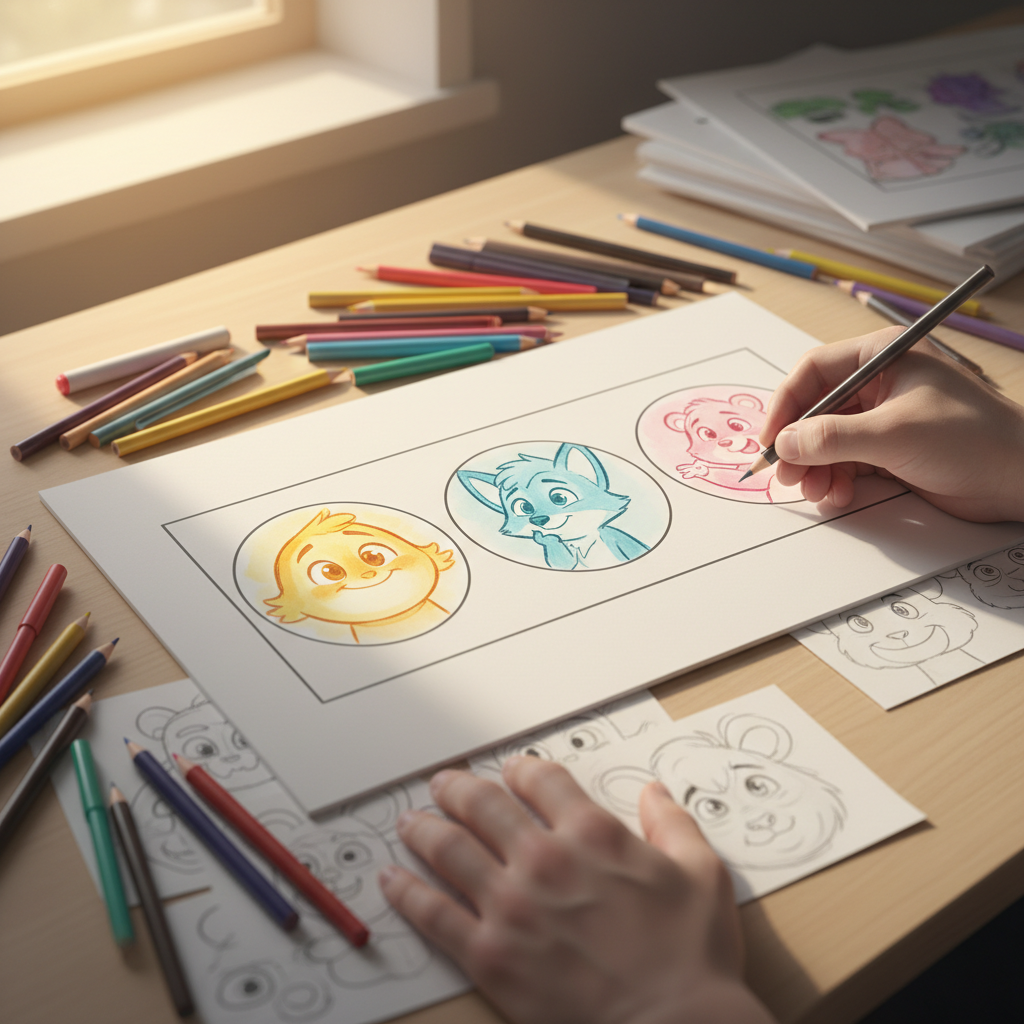
Creating cinematic-quality videos begins long before the camera starts rolling. It all starts with a detailed storyboard. This crucial step involves sketching out each scene to visually represent the narrative flow. Storyboards help filmmakers visualize the sequence, plan shots, and communicate their vision to the team. With a well-crafted storyboard, everyone involved can see the bigger picture and contribute to the artistic direction.
A storyboard acts like a blueprint for the video, ensuring that the story unfolds smoothly and coherently. It helps prevent costly reshoots by allowing filmmakers to identify potential issues early in the process. This is why storyboarding is an essential part of pre-production.
Setting the Scene with Lighting
Lighting is a critical element that can make or break the visual appeal of a video. Achieving cinematic-quality footage requires a deep understanding of how light interacts with the subject and the environment. Directors of photography spend significant time experimenting with different lighting setups to create the desired mood and atmosphere.
Techniques such as three-point lighting, natural light manipulation, and the use of reflectors and diffusers are common practices. These techniques ensure that the subjects are well-lit, shadows are controlled, and the scene looks natural yet visually compelling.
Capturing the Perfect Shot
The camera is the eye through which the audience experiences the story, so capturing the perfect shot is paramount. Cinematic videos often utilize a variety of shots, including wide shots, close-ups, and over-the-shoulder angles, to build emotion and tension. Each shot is meticulously planned to contribute to the narrative.
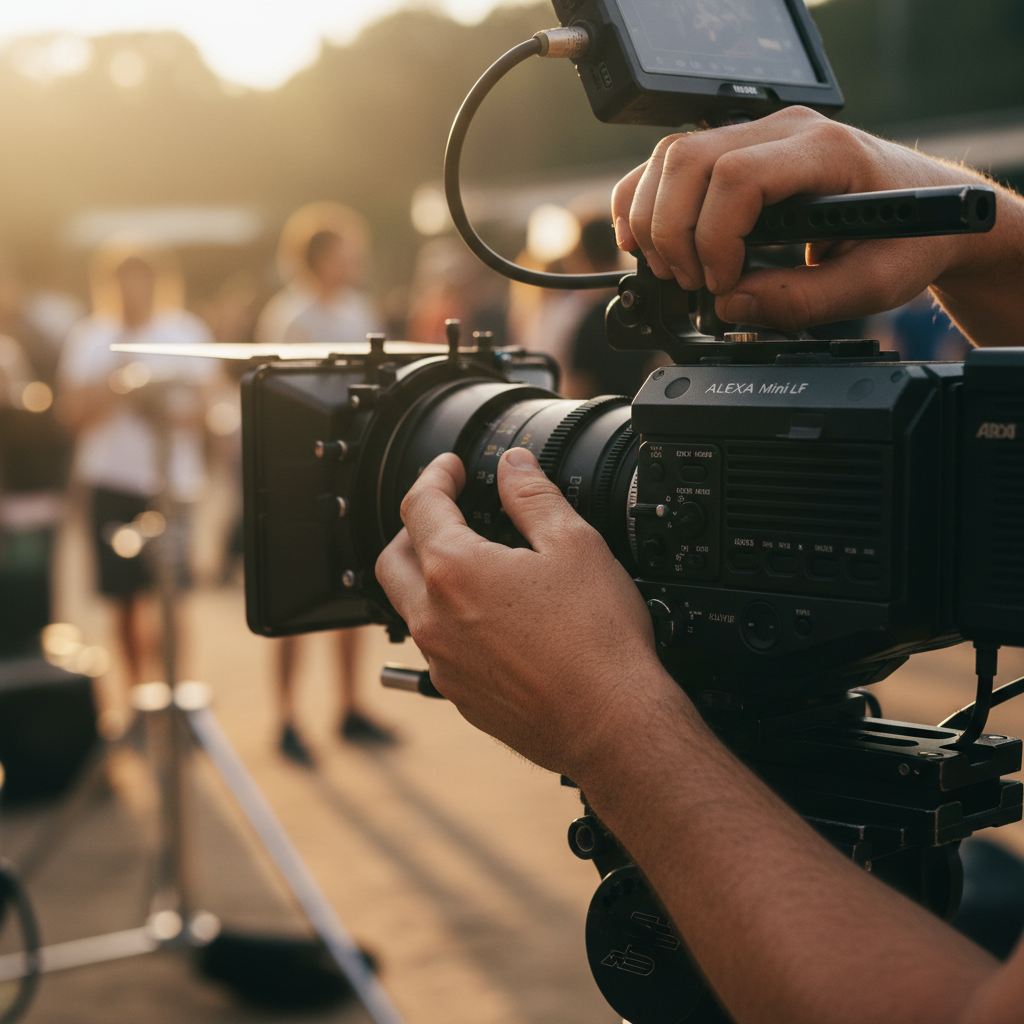
Filmmakers also pay close attention to camera movement. Techniques like dolly shots, crane shots, and steady cam footage add dynamism and fluidity. The choice of camera, lens, and even filters can significantly impact the final result, making it crucial to select the right equipment for the desired effect.
The Role of Sound Design
Sound design is often the unsung hero of cinematic-quality videos. It involves creating an auditory experience that complements the visual narrative. From the subtle ambient sounds to the powerful music score, every audio element needs to be carefully crafted and synchronized with the visuals.
Sound design encompasses dialogue, sound effects, and background music. Each component must be balanced to ensure clarity and enhance the storytelling. Sound can evoke emotions and elevate the audience's engagement, making it an indispensable part of video production.

Editing: Bringing It All Together
Editing is where the magic happens. This post-production phase involves piecing together various shots, adjusting the pacing, and refining the story. Editors work closely with directors to ensure that the final cut aligns with the original vision.
The editing process includes color grading, which enhances the mood and tone of the video. It also involves adding visual effects, transitions, and titles. With the right editing techniques, a video can transform from a collection of clips into a cohesive and compelling narrative.
Conclusion
Crafting cinematic-quality videos is an intricate process that combines art and technology. From storyboarding to editing, each step requires meticulous attention to detail and a deep understanding of visual storytelling. By mastering these techniques, filmmakers can create videos that captivate and resonate with audiences.